Printer-Friendly | Back

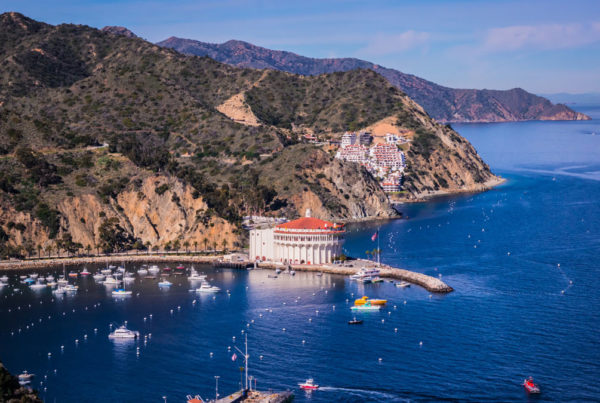
Malaga Cove is where the long sweeping sand beaches of the Santa Monica Bay come to an abrupt end at the rocky reefs of the Palos Verdes Peninsula. Any time you have a place of transition such as this, things can get interesting underwater. Consequently, this is, under the right conditions, an excellent dive site.
Right conditions is important here. Malaga Cove has its advantages and disadvantages. It is a northwest facing beach and as such, it faces directly into the prevailing weather. Even so, it is still somewhat protected within the southern Santa Monica Bay. This dive site gets good in the fall when the northwest swells lay down and the south swells are pounding other beaches. This is the time to look to Malaga Cove.
Most of the diving here is fairly shallow, less than 30 feet. Rocky ridges run roughly parallel to shore. Some of the reef are quite tall ascending 5-8 feet off the bottom, where there are numerous crevices to explore, holding a large variety of marine life.
 |
|
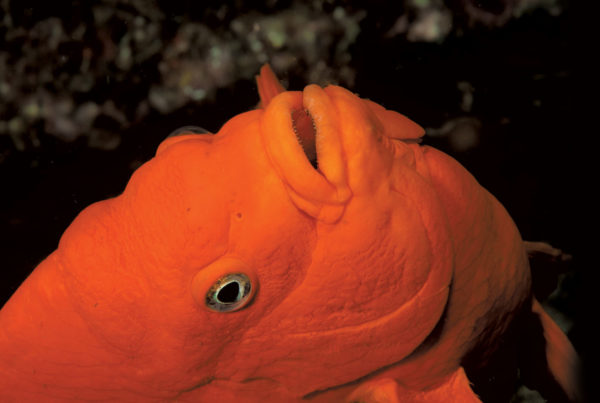
Painted greenling
|
You’ll especially have fun with the octopus that are numerous at this site. It is not unusual to see at least a couple on a dive. Look along the reef crevices for piles of shells. This indicates the location of an octopus lair.
One of the favorite foods of the octopus is lobster. While not in large numbers here, this is generally a good place to grab at least a couple of bugs on opening night. The far end of the dive site, to the west, is generally better for lobster hunting.
Photographers and marine life observers will also find a lot of critters for fun observation in the crevices. Keep your eye out for decorator crabs, chestnut cowries and small reef fish.
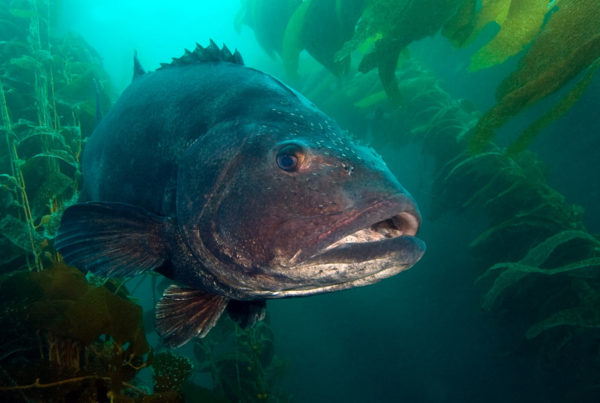
The reefs are always covered with a heathy growth of kelp. Malaga Cove is one of the handful of spots you can get into thick kelp with a just a short swim. The kelp forest is one of the main events at this location. Barracuda, giant black sea bass, and huge schools of bait fish are often seen. Then there is the usual delightful garibaldi, señoritas, rock wrasse, perch and opaleye.
Another interesting section is out where the reefs are broken up by stretches of sand and then the sand plane beyond. Here you will likely encounter halibut, big bat rays and perhaps even an angel shark.
Diving Malaga Cove is fairly easy but there are no facilities. At the far end of the parking area is a paved path leading to a dirt trail. Before heading down, check out the conditions at the gazebo overlooking the cove. You can enter the water right off the rocks at the end of the pavement, down off the sand beach, or hike a bit to the west and enter the rocks over there. The best diving tends to be to the west, but when calm and clear, the shallow reefs near the sand beach can be delightful. If you enter or exit the water over the rocks, do not dive here at low tide as you will find yourself trying to get past and around shallow reefs near shore.
Dive Spot At • A • Glance
Location: South end of the Santa Monica Bay in the town of Rancho Palos Verdes, just south of Torrance Beach.
Access and Entry: A moderately steep but short paved path to either a rock or sand beach surf entry. Skill Level: All with beach diving experience.
Depths: 10 to 30 feet.
Visibility: Good, averages 15 feet with 20 to 25 not unusual.
Snorkeling: Good, if calm with lots of interesting shallow areas to explore.
Photography: Good wide angle with nice kelp and fish. Fair macro.
Hunting: Lobster early in season. A few halibut.
Conditions: 310-379-8471.
Dale Sheckler is editor of California Diving News and is the co-author of the book Southern California's Best Beach Dives.
© Copyright 2006, all rights reserve, by Saint Brendan Corporation, P.O. Box 11231, Torrance CA 90510, mail@saintbrendan.com. No part of this may be reproduced, stored in a retrieval system/website, or transmitted in any form by any means without prior written permission of the publisher.
IMPORTANT NOTICE:
The contents of this publication/website are opinions of the individual writers. The publishers of California Diving News and its contributors assume no responsibility for any mishap claimed to be a result of use of this material. Diving is an adventure sport and with it comes inherent risks. Improper use of diving equipment or improper diving techniques may result in serious injury or, in extreme circumstances, death. Readers are admonished to use their own best judgement in each individual situation. |
|
|